Downspout Trenching in Atlanta, GA
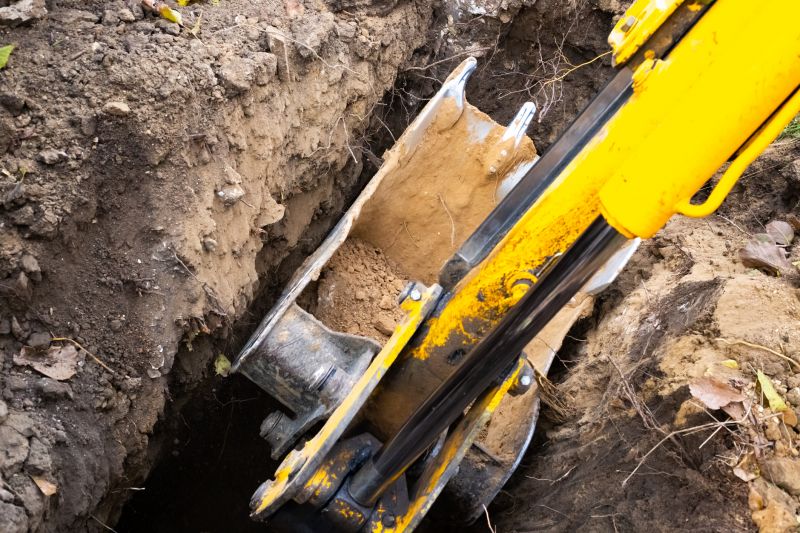
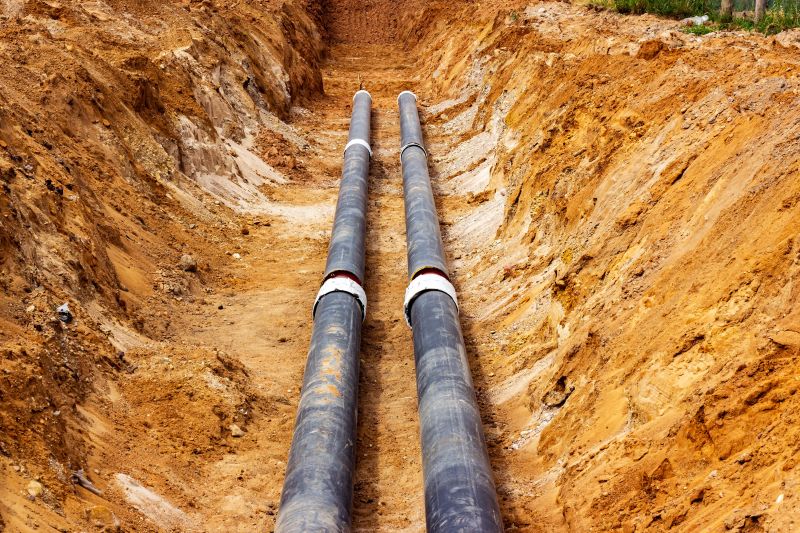
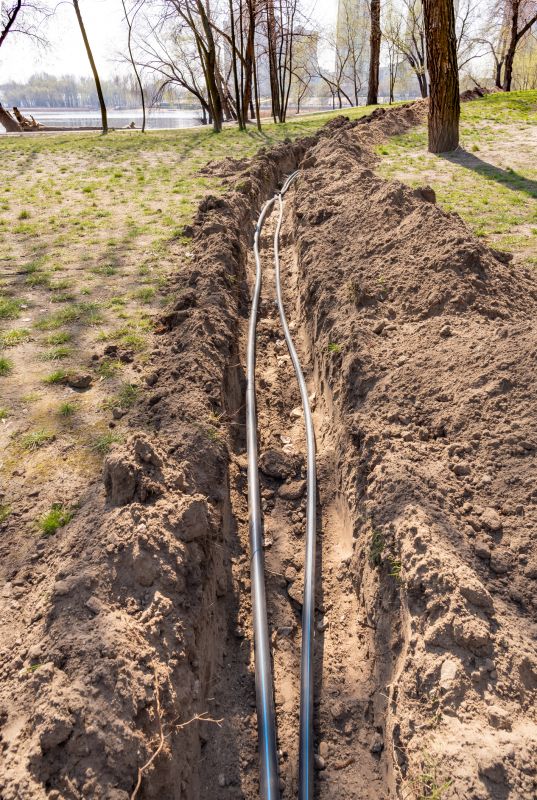
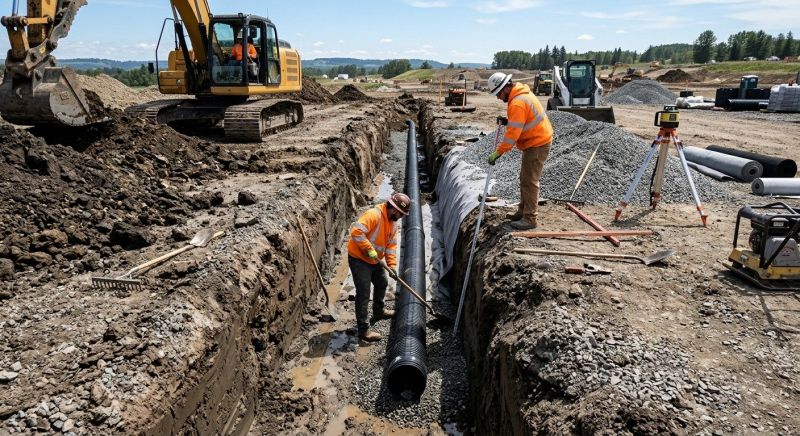
Downspout trenching services involve excavating trenches to properly redirect rainwater away from a property's foundation. This process is often used when existing downspouts need to be extended or rerouted to prevent water pooling, foundation damage, or basement flooding. Projects typically include installing new underground drainage lines, extending downspouts, or creating pathways to drainage areas such as yards or storm drains, ensuring that water flows safely away from the home’s structure.
Property owners considering downspout trenching should understand the scope of the work involved, including the length and depth of trenches needed and the potential impact on landscaping or existing underground utilities. It's important to evaluate the drainage needs of the property, the layout of the landscape, and any local regulations that may influence the project. Proper planning ensures that the trenching effectively manages water runoff and protects the property’s foundation over time.
Many property owners in Atlanta, GA look into Downspout Trenching for repairs, replacements, upgrades, and appearance-related improvements.
Efficient Downspout Drainage
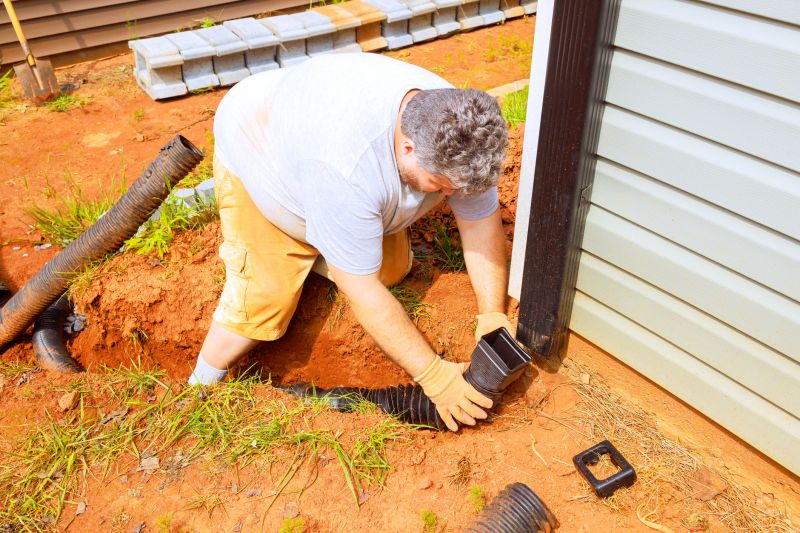
Trenching ensures proper water flow away from your home’s foundation.
Foundation Protection
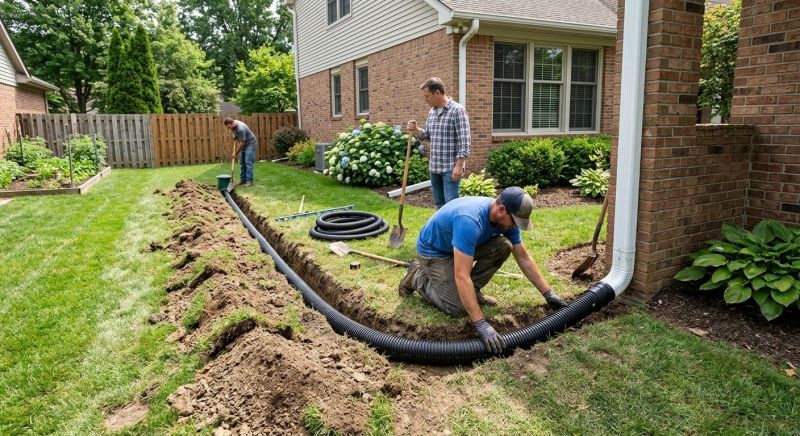
Proper trenching helps prevent water damage and soil erosion around properties in atlanta.
Customized Trenching Solutions
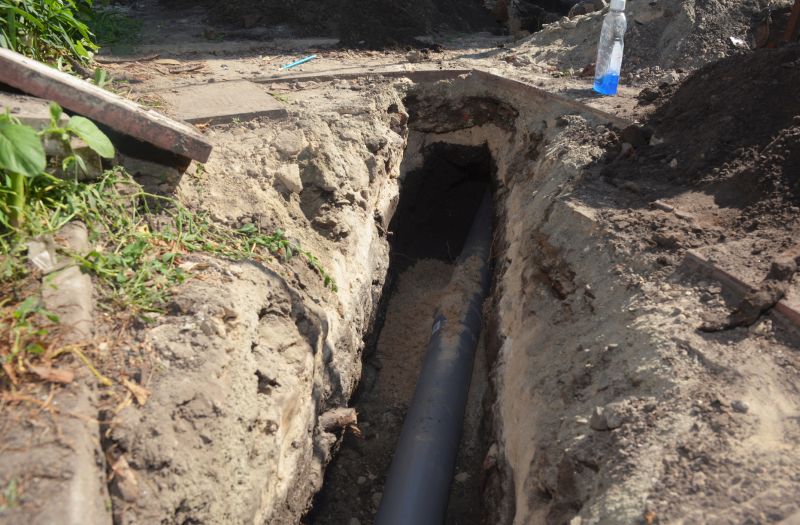
Services are tailored to fit the specific drainage needs of residential and commercial properties.
Downspout Trenching in Atlanta, GA

Downspout trenching services involve excavating trenches to properly redirect rainwater away from a property's foundation. This process is often used when existing downspouts need to be extended or rerouted to prevent water pooling, foundation damage, or basement flooding. Projects typically include installing new underground drainage lines, extending downspouts, or creating pathways to drainage areas such as yards or storm drains, ensuring that water flows safely away from the home’s structure.
Property owners considering downspout trenching should understand the scope of the work involved, including the length and depth of trenches needed and the potential impact on landscaping or existing underground utilities. It's important to evaluate the drainage needs of the property, the layout of the landscape, and any local regulations that may influence the project. Proper planning ensures that the trenching effectively manages water runoff and protects the property’s foundation over time.
Many property owners in Atlanta, GA look into Downspout Trenching for repairs, replacements, upgrades, and appearance-related improvements.
Common Downspout Trenching Jobs
Downspout trenching involves creating a dedicated channel for directing rainwater away from the foundation.
Drainage improvement helps prevent water pooling and reduces the risk of basement flooding.
Foundation protection minimizes soil erosion around the property by ensuring proper water flow.
Landscape preservation allows for trenching without damaging existing gardens or lawns.
Water diversion solutions are designed to carry runoff safely to drainage systems or storm drains.
Property drainage upgrades can be tailored to address specific water flow issues around the home.
Downspout Trenching Questions
What is downspout trenching? Downspout trenching involves digging a channel to redirect roof runoff away from the foundation, preventing water damage and erosion.
When is downspout trenching needed? It is typically needed when existing downspouts cause pooling or water issues near the property’s foundation or landscaping.
What types of projects require trenching? Projects include installing new drainage paths, replacing damaged sections, or extending downspouts to improve water flow.
What should property owners consider before trenching? It’s important to evaluate the property's drainage needs and ensure proper slope and outlet placement for effective water management.
Request Downspout Trenching in Atlanta, GA
Use the quote form on this page to share the basics of your project and request more information for the type of work you need.